Commercial removals for Marylebone clinics and offices
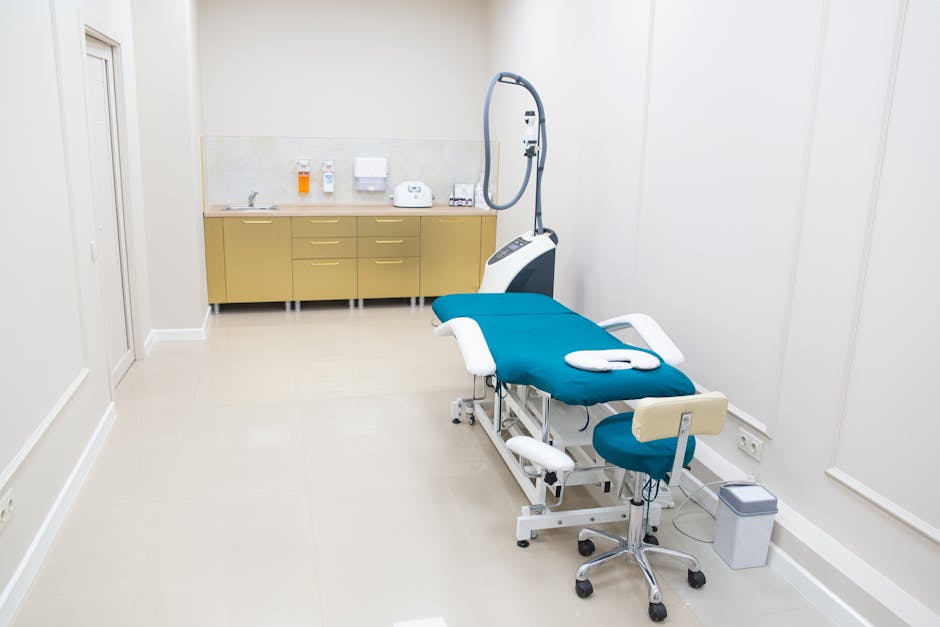
If you are arranging commercial removals for Marylebone clinics and offices, you are probably juggling more than boxes and furniture. There may be patient records, IT equipment, confidential files, awkward stairwells, narrow loading windows, and a building manager who wants everything done yesterday but also somehow not at all. Sound familiar? That is Marylebone in a nutshell.
This guide breaks the process down in plain English. You will see how a well-planned move works, what matters most in a clinic or office relocation, where delays usually creep in, and how to keep disruption low. We will also look at compliance, practical planning, and the little details that make a big difference on moving day. Truth be told, the smallest things often save the most time.
Whether you are relocating a small consulting room, a dental practice, a shared workspace, or a full office floor, the goal is the same: move safely, stay organised, and get back to work without chaos.
- Why it matters
- How the move works
- Key benefits and practical advantages
- Who needs this service
- Step-by-step guidance
- Expert tips for better results
- Common mistakes to avoid
- Tools, resources and recommendations
- Law, compliance, standards, or best practice
- Options, methods, or comparison table
- Case study or real-world example
- Practical checklist
- Conclusion
- Frequently asked questions
Why Commercial removals for Marylebone clinics and offices Matters
In Marylebone, space is tight, timing is sensitive, and buildings rarely give you much room for improvisation. That matters because clinics and offices are not ordinary domestic moves. You are often moving equipment that is expensive, delicate, or business-critical. If a desk is late, that is annoying. If a practice room is not ready, appointments can be affected. If records or devices are misplaced, the headache gets bigger fast.
Commercial moves also carry a different kind of pressure. Staff may still be working around the move. Patients, clients, or visitors may expect business as usual. And because Marylebone streets can be busy and loading space limited, a poor plan can eat up valuable time before the first item is even off the van.
That is why the best removals approach is not simply "arrive and lift." It is about timing, access, sequencing, protection, and communication. In our experience, the smoother moves are the ones where someone has already thought through the ugly bits: lift access, reception desk dismantling, cable labelling, and where the old chairs go once the new ones arrive. Not glamorous. Very useful.
Expert summary: The real value of a good commercial move in Marylebone is not just transport. It is reduced downtime, better protection for equipment, and less stress for staff trying to keep the day moving.
How Commercial removals for Marylebone clinics and offices Works
A properly managed clinic or office relocation usually follows a clear sequence. That sequence matters because it turns a messy project into a controlled one. You can think of it as planning first, moving second, settling in last. Simple enough, but the details do the heavy lifting.
1. Survey and planning
The process normally starts with a survey, either on-site or sometimes remotely if the move is straightforward. The aim is to understand what needs moving, what needs special handling, and what the building access looks like. For a clinic, that may include examination furniture, lockable storage, IT hardware, and sensitive paperwork. For an office, it may be desks, monitors, pedestal drawers, printers, filing cabinets, and meeting room equipment.
This stage is where sensible questions save trouble later. Which items can be dismantled? What must stay upright? Which rooms must be cleared first? Is there a lift? Can the van park close enough? Is there a preferred moving time? If you have ever watched a team carry a heavy cabinet down a narrow staircase while someone quietly mutters about the lift being "out of order again", you will know why planning matters.
2. Packing and labelling
Packing is not just about putting things in boxes. It is about making sure items are grouped, labelled, and unpacked in the right order. Clinics may need secure handling for files and sensitive items. Offices often need cable management and workstation labelling so staff can get straight back to work.
Good labelling is boring in the best possible way. Room names, department names, and priority items should be obvious at a glance. If something is fragile, confidential, or essential for day one, that should be clear too.
3. Dismantling and protection
Large furniture may need dismantling so it can pass safely through doorways or down stairs. Surfaces, corners, screens, and shelving are usually protected with wrapping or padding to reduce scuffs and chips. In a clinic, that care can be especially important because the environment often needs to be tidy and professional immediately after the move.
4. Loading and transport
Marylebone access can be the tricky part. Vehicle size, parking restrictions, and loading windows all play a role. A team that understands local conditions will usually plan the route and schedule carefully rather than assuming the street will be forgiving. It rarely is.
If you are comparing services, you may find the broader commercial moves page useful for understanding how business relocation work is typically structured, while the office relocation services page is a helpful companion if your move is more workplace-focused than clinical.
5. Placement and setup
Once on site, the best removals teams do more than unload. They place items where they belong, reassemble furniture where needed, and help ensure the new space is usable. In a clinic, this may mean getting treatment rooms ready first. In an office, it might mean prioritising desks, meeting rooms, and network equipment. Small detail, big difference.
Key Benefits and Practical Advantages
The obvious benefit of a professional commercial move is that heavy lifting is handled for you. But the real advantages go further than that. The strongest removals support reduces interruption, protects assets, and helps staff settle faster.
- Less downtime: A planned move usually means fewer delays and a quicker restart.
- Better protection: Proper wrapping, carrying, and loading reduce the risk of damage.
- Lower staff stress: People can keep working instead of trying to improvise a move between meetings.
- More predictable timing: Especially important for clinics with booked appointments or offices with client-facing teams.
- Cleaner handover: A structured move helps avoid missed items, lost files, or furniture left behind.
- Local practical knowledge: Marylebone access, parking, and building constraints are easier to handle when the move is planned by people who understand the area.
There is also a quieter benefit that is easy to underestimate: confidence. When the move plan is clear, teams relax a little. They know what happens first, what stays protected, and where the day is headed. That calm is worth something.
Who This Is For and When It Makes Sense
This kind of move is a strong fit for any business that cannot afford disorganisation. Clinics, medical consulting rooms, dental practices, therapists, accountants, architects, legal offices, media teams, and shared workspaces all tend to benefit from a structured commercial removals plan.
It makes sense particularly when:
- you are moving within Marylebone or nearby central London streets
- the premises have limited access, shared lifts, or strict loading rules
- there is expensive furniture, IT, or specialist equipment involved
- you need to keep business interruption as low as possible
- your team cannot spare a full day to manage logistics themselves
- you want the setup at the new location to be organised, not just delivered
For smaller teams, even a modest move can become surprisingly disruptive. A few desks, a filing cabinet, and a couple of printers may not sound like much, but once you add cables, paperwork, and access constraints, the job grows legs. A clinic move can feel even more sensitive because the room layout, privacy, and equipment flow all matter.
If you are working through your options, it can also help to compare broader relocation support with more specific service pages such as removal services and removal companies so you can see how different types of support are framed.
Step-by-Step Guidance
Here is a practical way to think about the process from start to finish. Not every move will need every item below, but this is the shape of a well-run commercial relocation.
- Start with a clear inventory. List what is moving, what stays, and what needs special handling.
- Set the move date around operations. Avoid peak hours where possible, and be realistic about access and staff availability.
- Confirm building requirements. Check lift access, parking/loading rules, keys, entry times, and any building manager instructions.
- Identify priority items. Mark anything needed on day one, including computers, clinical essentials, or reception equipment.
- Pack by zone or function. Keep things grouped so the new space can be set up in the correct order.
- Label clearly. Use room names, department names, and handling notes. A simple label can save half an hour later. Or more.
- Protect sensitive items. Wrap fragile or high-value furniture and equipment properly.
- Plan the loading route. Make sure the path from room to van is clear and safe.
- Move in a sensible sequence. Usually, core equipment and essential work areas come first.
- Check and settle. Once items are placed, do a quick walk-through so missing or damaged items are spotted early.
A good rule of thumb: if the new space should be functional at opening time, plan the move as though that deadline is real. Because it is. Nobody wants a reception desk in the wrong room at 8:45 in the morning while patients or clients are already arriving.
Expert Tips for Better Results
Here are the small, practical ideas that make a move feel easier. These are the things teams often wish they had done earlier.
Label by destination, not by box number alone
Box numbers are fine, but room labels are better. If the label says "Treatment Room 2" or "Finance Team," the item lands where it belongs. Less rummaging, less confusion.
Separate critical items from general items
Keep essential items apart from everything else. Think chargers, login devices, keys, reception items, daily files, and anything needed to reopen quickly. Put them in a clearly marked priority box or case.
Use a staged unpacking plan
You do not need to unpack everything at once. In fact, trying to do so can make a new office or clinic feel more chaotic. Set up the core work areas first, then deal with storage, extras, and non-urgent items.
Assign one decision-maker on the day
This is a small but important point. When several people start directing the move, confusion creeps in. One point of contact keeps decisions quick and consistent.
Ask about building access early
Marylebone properties can be wonderfully central and occasionally a bit awkward. Access rules, concierge instructions, and parking restrictions are not details to leave until the morning of the move.
Take photos before dismantling
A quick phone photo of shelving, IT set-ups, or desk cabling can save time later. It is a very unglamorous tip, but it works. Every time.
If you need packing support too, a page like packing and unpacking services may be useful as part of the wider planning conversation.
Common Mistakes to Avoid
Most moving problems are avoidable. They usually happen because people underestimate access, overestimate spare time, or assume the new place will magically sort itself out. It rarely does.
- Leaving packing too late: This is the classic one. It creates rushed labelling and messy decision-making.
- Ignoring access constraints: A van can only do so much if parking is tight or the lift is tiny.
- Not protecting confidential material: Clinics and offices both handle sensitive information. That needs a proper plan.
- Forgetting setup needs: A desk delivered is not the same as a desk ready to use.
- Failing to coordinate staff: People need to know what to pack, what to leave, and what to bring with them personally.
- Moving everything in one pile: It feels quicker at first, then becomes slower when nobody can find anything.
One subtle mistake is not planning for the first hour after arrival. That hour matters. If the kettle, Wi-Fi, reception notes, key files, or workstation essentials are buried, the day starts off on the wrong foot. Nobody wants that mild, electric feeling of everyone searching for the same box while pretending it is fine.
Tools, Resources and Recommendations
You do not need a truckload of specialist kit to run a better move, but a few tools make a big difference. Think of these as practical supports rather than fancy extras.
Useful tools and items
- Strong packing boxes: For general files, small equipment, and supplies.
- Label printer or clear marker pens: For obvious, durable labelling.
- Bubble wrap and furniture blankets: For protecting fragile surfaces and corners.
- Trolleys and dollies: Helpful for heavier items and longer internal routes.
- Tool kit: Needed for desks, shelving, and simple dismantling.
- Sealable bags: Good for screws, fittings, and small components.
- Inventory sheet: A basic list can stop items disappearing into the moving fog.
Practical recommendations
For clinic moves, keep clinical or sensitive items segregated and clearly handled by the right people. For office moves, make sure IT equipment is identified early and disconnected in a controlled way. If network hardware, monitors, or specialist devices are involved, give yourself more time than you think you need. That is not pessimism; it is experience.
It may also help to review broader company information such as the about us page and operational policies like health and safety policy and insurance and safety before booking, especially if your organisation needs reassurance on process and responsibility.
Law, Compliance, Standards, or Best Practice
Commercial removals often touch on a few areas of UK best practice, especially where health, safety, privacy, and building rules are concerned. The exact requirements will depend on your premises and the type of business being moved, so it is sensible to check what applies rather than guessing.
For clinics and office environments, a few principles usually matter:
- Health and safety: Lifting, carrying, trip hazards, and safe movement routes should be managed sensibly.
- Confidentiality: Patient or client records should not be left unsecured during the move.
- Building permissions: Some properties require advance notice for lift use, loading access, or contractor entry.
- Insurance awareness: It is wise to understand what cover applies to goods in transit and while onsite.
- Waste and recycling: Old furniture, packaging, and unwanted items should be disposed of responsibly.
There is no single one-size-fits-all compliance checklist here. A small office move is not the same as relocating a busy clinic with sensitive equipment. Still, the best practice is fairly consistent: plan risks early, document the essentials, and keep access and handling controlled.
If sustainability matters to your organisation, the recycling and sustainability page can help frame how unwanted items and packing waste are handled responsibly. That is becoming more relevant for many teams, and fair enough too.
Options, Methods, or Comparison Table
Not every move needs the same level of support. Some businesses just need transport and lifting help. Others need a more hands-on, end-to-end service. The right choice depends on time, budget, complexity, and how quickly you need to resume work.
| Option | Best for | Advantages | Watch-outs |
|---|---|---|---|
| Basic transport only | Simple moves with a small number of items | Lower cost, straightforward booking | More work for your team, higher risk of poor packing |
| Partial commercial removals | Moves where packing or dismantling is needed for some items | Balanced support, less staff disruption | Needs clear coordination on what is included |
| Full office or clinic relocation support | Busy premises, complex equipment, or minimal downtime windows | More structured, faster setup, less stress | Usually needs more planning and a larger budget |
If you are unsure which route fits best, a practical comparison can be the difference between a smooth week and a very long Monday. A move that sounds "small" on paper can become fully fledged once access, setup, and staff time are counted. That happens more often than people think.
Case Study or Real-World Example
Here is a realistic example based on the kind of move many Marylebone businesses face.
A small professional office near the centre of Marylebone needed to relocate into a new space a few streets away. Nothing enormous, but the team had several desks, storage units, monitors, filing, and a meeting room to move. The new office had limited loading time and a lift that could not take every item in one go.
The move went best because the team did three things early. First, they separated essential items from everything else. Second, they labelled each workstation clearly. Third, they agreed which rooms had to be ready first when they arrived. The result was not magical, just organised. The desks were in place before staff started work, the IT equipment was handled carefully, and nobody had to spend the morning hunting for cables or key folders.
A clinic move follows the same logic, although the priorities are slightly different. Instead of meeting room equipment, the focus might be treatment rooms, secure files, reception setup, and a quick return to patient-facing work. Different environment, same principle: prepare well, move in sequence, and keep the first day functional.
What stands out most in real life is this: people rarely remember the removal van itself. They remember whether the move felt under control. That is the real win.
Practical Checklist
Use this checklist to keep the move on track. A few lines on paper can save a surprising amount of stress.
- Confirm the move date and access window
- Check lift access, parking, and loading instructions
- List every room, department, or zone being moved
- Identify priority items needed on day one
- Back up digital files and label IT equipment
- Secure confidential documents properly
- Pack fragile and valuable items separately
- Label boxes by destination and contents
- Arrange dismantling tools if needed
- Protect floors, corners, and delicate surfaces
- Plan who will unlock, direct, and sign off on the move
- Prepare the new site for immediate setup
- Check items against the inventory on arrival
- Dispose of waste and packaging responsibly
If you can tick most of those boxes, you are already ahead of the game. Not perfect. But well ahead.
Get a free quote today and see how much you can save.
Conclusion
Commercial removals for Marylebone clinics and offices work best when they are treated as a business project, not just a transport job. The difference shows up in the details: clear labelling, sensible sequencing, careful handling, and realistic timing around the building and the working day.
If you plan early, protect sensitive items, and choose a move method that fits the size and urgency of the job, the whole process becomes far easier. You do not need perfection. You need structure, clarity, and a team that understands how central London moves actually work.
And once it is done, there is a very particular relief to it. The boxes are gone, the desks are where they should be, and the space starts to feel like yours again. That feeling is worth planning for.
Frequently Asked Questions
What makes commercial removals for Marylebone clinics and offices different from a home move?
Commercial moves usually involve business continuity, sensitive documents, specialist equipment, and tighter timing. In a clinic or office, the move often has to work around staff, clients, or patients, which means planning matters much more.
How far in advance should I book a clinic or office move?
As early as possible, especially if you are moving in central Marylebone where access can be limited. A small move may only need a modest lead time, but larger or more sensitive relocations benefit from earlier planning.
Can a removals team handle IT equipment and office furniture?
Yes, if the move is planned properly. Monitors, desks, filing systems, and similar equipment can usually be moved safely with the right packing, dismantling, and labelling. For more technical equipment, extra care is wise.
How do I keep confidential files secure during the move?
Pack them separately, label them clearly, and make sure only authorised people handle them. Clinics in particular should be careful about patient records and any sensitive paperwork.
Will my business need to close for the move?
Not always. Some businesses move outside operating hours or in stages so they can keep part of the operation open. The right approach depends on the size of the move and how much disruption you can afford.
What should I do with old furniture or items we no longer need?
Decide early what will be moved, stored, reused, recycled, or disposed of. Leaving this until the day of the move usually creates clutter. Responsible recycling is often the cleaner option for unwanted items.
Is Marylebone difficult for removals vehicles?
It can be, mainly because of access, traffic, and loading restrictions. That is why route planning and timing are so important. A team familiar with the area can reduce surprises.
What is the biggest cause of delay on moving day?
Access issues are a common one, followed closely by poor packing or missing labels. If the van cannot park as expected or the building access takes longer than planned, everything slows down.
Do I need to dismantle desks and shelving before the move?
Not necessarily. It depends on the furniture and the access route. Some items can be moved assembled, but others are safer and easier to transport when dismantled.
How do I choose between a basic move and a full relocation service?
Think about time, complexity, and how much your team can realistically manage. If the move involves multiple rooms, sensitive items, or limited downtime, a fuller service is usually the better fit.
What should be ready first in a clinic or office after the move?
The essentials needed to reopen smoothly should be prioritised first. In an office, that may be workstations and internet access. In a clinic, it may be reception, treatment areas, and secure storage.
Where can I find more information about your services and policies?
You can review the service pages and policy pages linked in this article, including removal support, pricing guidance, and health and safety information. That usually helps before making a final decision.