Skip and road-closure permits for Marylebone (W1) moves
Posted on 29/07/2026
Skip and road-closure permits for Marylebone (W1) moves: what you need to know before move day
If you are planning a move in Marylebone, the bits that trip people up are often not the packing or the lifting. It is the parking, the skip placement, and whether you need permission to temporarily block part of the street. Skip and road-closure permits for Marylebone (W1) moves can sound like admin-heavy details, but they are really about keeping your move legal, organised, and less stressful on the day.
In a place like Marylebone, where streets can be narrow, bays are tight, and one blocked lane can quickly create a mess, getting this right matters. A skip left in the wrong place or a van waiting where it should not be can lead to delays, extra cost, and a very awkward conversation. This guide explains the practical side in plain English, with a focus on what actually helps your move run smoothly.
And yes, there is a fair bit to think about. But once you understand the basics, it becomes much easier to plan. You do not need to be a permit specialist. You just need a sensible order of operations, some local awareness, and a bit of lead time.
Why Skip and road-closure permits for Marylebone (W1) moves Matters
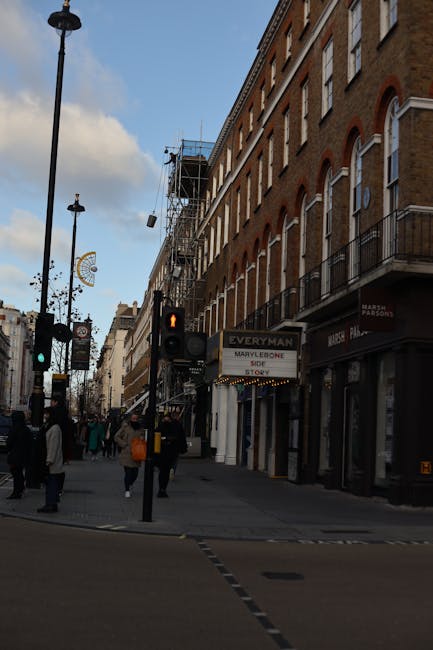
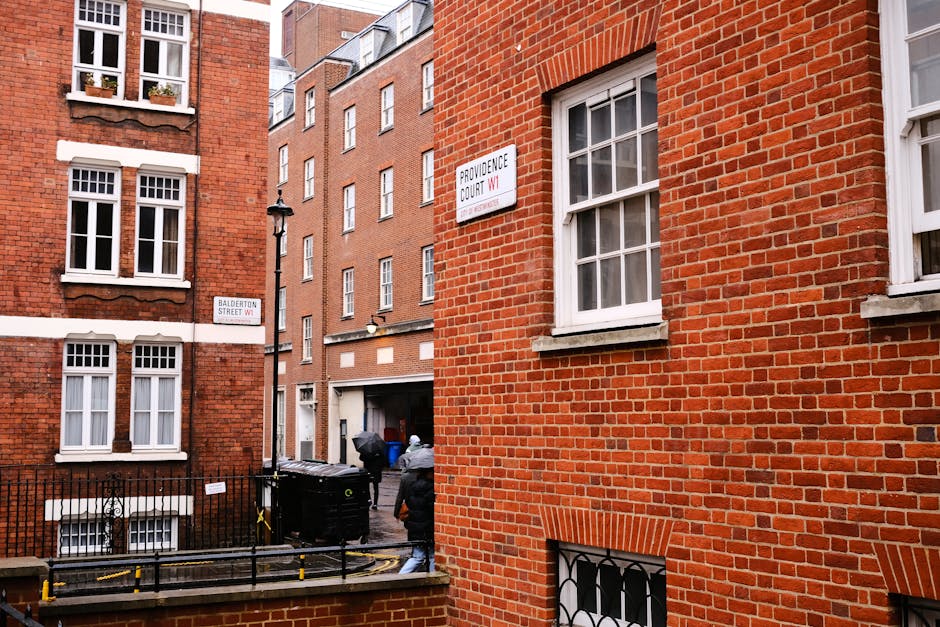
Marylebone is not the sort of place where you can assume there will be plenty of space to work with. Streets around W1 can be busy, delivery windows can be tight, and access can change from one block to the next. That means a simple move can become complicated very quickly if you have not planned for where the vehicle will stop, where the skip will sit, and whether any part of the road needs to be reserved or temporarily controlled.
For a house move, flat move, office relocation, or even a smaller same-day move, these details can affect almost every stage of the day. If the van cannot stop close enough to the entrance, the team may need to carry items further. If a skip is placed without the right permissions, it can be moved on, fined, or cause disruption for neighbours and traffic. Not ideal, really.
There is also the matter of timing. A good move in Marylebone tends to run on a schedule: lift access, loading bay access, parking access, maybe a time-limited road arrangement. If one piece is missing, the whole sequence gets shakier. That is why permit planning is not just bureaucracy. It is part of the moving plan itself.
If you want a broader sense of how local moving support fits together, the services overview is a useful starting point, and the team's about us page gives more context on how they work on local jobs.
How Skip and road-closure permits for Marylebone (W1) moves Works
Think of it as three separate but connected questions: where will the vehicle stop, where will waste or bulky items be placed, and does the street need temporary space management. Skip permits usually relate to placing a skip on the public highway. Road-closure or road-restriction permissions, where needed, are about temporarily controlling access so moving vehicles, loading, or bulky-item handling can happen safely.
In practical terms, a moving job in Marylebone may need one of the following arrangements:
- private parking or driveway access, which is the easiest option if available;
- a suspended parking bay or loading bay arrangement for the removal vehicle;
- a skip placed on private land, avoiding a highway permit altogether;
- a skip placed on the public road, which usually brings permit considerations;
- temporary traffic management or access control for a narrower street or particularly awkward frontage.
The exact route depends on the property, the street layout, and how much needs moving. A small flat move may only need careful van positioning and controlled loading times. A larger move, or one that includes builders' waste, old furniture, or clearance work, may need more planning. In Marylebone, the difference between a smooth day and a stressful one is often just a few metres of kerb space.
It is also worth separating the moving part from the disposal part. A removals vehicle and a skip do different jobs. The van carries your belongings; the skip is for waste or unwanted materials, usually after clearance or refurbishment. Mixing the two up is a common source of confusion.
If your move includes furniture removal or bulky items, it can help to look at related support such as furniture removals in Marylebone or even packing and boxes if the job needs more preparation than expected.
Key Benefits and Practical Advantages
Getting permits and access arrangements sorted early does more than keep you compliant. It changes the tone of the move day. Instead of everybody improvising on the pavement, the job has room to breathe. That is not a small thing when you are trying to move cupboards, boxes, a sofa that somehow got wider overnight, and the usual last-minute bits and pieces.
Here are the main advantages:
- Less wasted time - the crew can load efficiently without circling the block or waiting for a space to free up.
- Lower chance of disruption - neighbours, pedestrians, and passing vehicles are less likely to be blocked unexpectedly.
- Better safety - controlled access reduces awkward carrying routes and near-misses.
- Clearer budgeting - permits, bay suspensions, and skip positioning can be planned rather than treated as last-minute add-ons.
- Fewer surprises - you are less likely to discover, on moving day, that the van cannot legally stop where you hoped.
There is another advantage people underestimate: peace of mind. Once the street-side logistics are handled, the rest of the move often feels more manageable. You can focus on your belongings, your inventory, and your keys, rather than staring at a traffic cone and wondering what happens next.
If cost planning is a concern, it is worth reading avoid hidden fees in Marylebone removal quotes alongside this guide. Permit-related costs are not always huge, but they can become annoying if nobody flagged them early.
Who This Is For and When It Makes Sense
Not every move in Marylebone needs a skip or a road arrangement. Some do not. But the following situations are where it becomes much more relevant:
- Flat moves in tight streets where the van cannot sit directly outside for long.
- House removals with a larger volume of furniture and boxes.
- Office removals that involve desks, filing, IT equipment, and a fixed completion time.
- Same-day removals where access has to be arranged quickly and precisely.
- Bulky waste clearances before or after a move.
- Properties with limited loading access around Baker Street, Connaught Village, Portman Estate, and similar central streets.
If you are a student moving out of a flat with only a few bags, you may not need anything formal beyond a compact van and smart timing. But if there is an awkward sofa, a mattress, an old wardrobe, and half the contents of a kitchen being moved at once, the access plan becomes far more important.
Truth be told, Marylebone rewards early planning. The more condensed the street, the more useful it is to think like a logistics person for an hour or two.
For people moving between flats, the local advice on flat removals in Marylebone and Baker Street flat move tips can also be helpful if your building access is part of the puzzle.
Step-by-Step Guidance
Here is the simplest way to approach skip and road-closure planning for a Marylebone move without getting tied in knots.
- Assess the property access. Look at the width of the street, any loading restrictions, where the entrance sits, and whether there is space to place a vehicle or skip without blocking the whole road.
- Separate belongings from waste. Decide what is being moved, what is being recycled, and what is going into a skip or other disposal route. This saves time later. A lot of time.
- Choose the right vehicle size. If you overestimate, you may pay for space you do not need. If you underestimate, you may need extra trips. The right van size matters more than people think, especially in W1.
- Check whether a skip is actually necessary. Sometimes a direct disposal service or a separate bulky-waste plan is more efficient than hiring a skip.
- Confirm whether public highway placement is involved. If the skip or loading arrangement uses the public road, that is where permit questions usually start.
- Build in time for approval and scheduling. Do not leave this to the day before unless you enjoy stress, in which case... well, still probably don't.
- Coordinate with the removals team. Make sure the movers know where they can park, where to load from, and what cannot be placed in the path.
- Plan the post-move clear-down. Once the van has gone, you may still need to deal with packaging, bulky items, or waste sorting.
One small but important practical point: if your move includes items that are hard to carry, awkward, or fragile, plan those first. Piano, large wardrobes, heavy mirrors, and awkward corners do not forgive last-minute thinking. For more on delicate handling, see piano removals in Marylebone.
Expert Tips for Better Results
In our experience, the best Marylebone moves are the ones where the team does fewer unnecessary movements. Simple as that. Every extra carry path, every blocked corner, every pause while someone checks where the van can legally wait - those are the things that eat up time.
Here are a few practical tips that make a real difference:
- Photograph the frontage and street a few days before the move. It helps with planning and avoids guesswork.
- Measure the entrance route if you have bulky furniture. A narrow hallway can be the real bottleneck, not the street outside.
- Book earlier for weekday daytime moves if you need access arrangements. Midweek can be busier than people expect.
- Keep waste separate from personal belongings so nobody accidentally loads something that should be recycled or retained.
- Ask about van size and loading strategy before the job starts. A short conversation can prevent a long delay.
- Do not assume the same rules apply to every street. Marylebone can shift quickly from relatively straightforward access to tightly controlled kerbside conditions.
A practical little note: if you are clearing out after a sale completion, there is often a flurry of odd items left at the last minute. Empty hangers, broken lamps, that one chair nobody liked but nobody admitted it. Sorting those early keeps the move calmer. It really does.
For broader local context on living and moving in the area, Marylebone lifestyle and local advice is a nice companion read.
Common Mistakes to Avoid
Most problems are not dramatic. They are small planning errors that snowball. One misplaced assumption becomes a late van, then a longer carry, then an irritated neighbour, then a longer invoice. No one wants that chain reaction.
- Leaving permit questions too late. By the time the moving date is fixed, access windows may already be tight.
- Confusing skip needs with removals needs. A moving van and a skip are different tools. They should not be treated as interchangeable.
- Ignoring street width and corner access. A vehicle may technically fit on paper but still be awkward in practice.
- Not telling the movers about restrictions. If the team does not know about loading limits, they cannot plan around them.
- Overfilling the schedule. If access, lift booking, cleaning, and key handover all happen at once, something usually slips.
- Assuming disposal is automatic. Waste and bulky items often need a separate plan.
One common issue in central London moves is the "it will be fine if we just park for a second" approach. To be fair, everybody has said that at some point. But on a busy Marylebone street, a second can become a problem surprisingly fast.
If your move involves leftover items, what to do with bulky waste after a Marylebone move is worth a look, and Marylebone waste and recycling rules post-move explained can help keep the end of the job tidy.
Tools, Resources and Recommendations
You do not need a huge toolkit for this sort of planning, but a few simple things help a lot:
- a street map or route note with the exact loading point marked;
- basic measurements for hallways, stair turns, and lift dimensions;
- a room-by-room inventory, even if it is only a simple one;
- a separate list for items going to storage, to the skip, or to recycling;
- clear photos of any tight access points, railings, steps, or uneven paving;
- an agreed arrival window for the moving team.
It also helps to use local support that understands Marylebone's layout rather than making assumptions from a generic moving template. If you are comparing moving help, the pages for man with a van Marylebone, man and van Marylebone, and removals in Marylebone are useful for seeing what kind of support fits different move sizes.
If you are not sure whether you need a smaller vehicle, a fuller removals service, or temporary storage, the storage Marylebone page can be helpful too. Sometimes the smartest move is not to force everything into one day. A short pause can make a big difference.
Law, Compliance, Standards, or Best Practice
For anything involving the public highway, the basic principle is straightforward: do not assume you can place equipment, reserve space, or block access without checking the local rules. In the UK, public-road use for skips, vehicle loading, or temporary obstruction is usually handled through local authority permission and specific conditions. The details vary, so it is always better to confirm than guess.
Best practice usually looks like this:
- confirm who is responsible for applying for the permit or bay arrangement;
- check whether the skip or vehicle will sit on private land or the highway;
- make sure any obstruction is limited to the minimum necessary time and space;
- avoid leaving loading items in a way that creates a hazard for pedestrians or traffic;
- keep communication clear between the mover, property manager, and any permit handler.
For removal businesses, good practice also includes public liability awareness, safe handling, and sensible risk management. If you want to understand the wider quality and responsibility side of the business, the health and safety policy, insurance and safety, and terms and conditions pages are useful supporting reads.
And one more thing: if a property manager, building concierge, or neighbour gives a heads-up about access conditions, take it seriously. Those little warnings are often the difference between an efficient move and a mildly chaotic one.
Options, Methods, or Comparison Table
There is no single best solution for every Marylebone move. It depends on the property, the amount of waste, and how constrained the street is. Here is a straightforward comparison.
| Option | Best for | Strengths | Watch-outs |
|---|---|---|---|
| Private-land skip | Homes or sites with usable private space | No highway placement needed, simpler logistics | Requires enough room and safe access |
| Roadside skip with permit | Clearance jobs where no private space exists | Convenient for direct waste disposal | Needs permission and careful placement |
| Van-only removal | Typical house, flat, or office moves | Fast, simple, cost-efficient for belongings | Not suitable for large amounts of waste |
| Van plus careful loading bay planning | Narrow streets and time-sensitive moves | Good balance between access and speed | Needs coordination and precise timing |
| Storage-first approach | Moves with staggered dates or access delays | Reduces day-of pressure and congestion | Adds a second stage to the move |
For many Marylebone residents, the best answer is a combination: van-based removals for belongings, storage for anything not ready, and a separate waste plan for unwanted items. Clean, simple, and less frantic.
Case Study or Real-World Example
Here is a realistic example from the kind of job people often face in W1. A tenant in a second-floor flat near a busy Marylebone street needs to move out by lunchtime. The flat has a sofa, a mattress, a dining table, several boxes, and a few bulky items that are not worth taking to the new place. There is no private parking, and the street is narrow enough that a van stopping badly would cause immediate trouble.
The sensible approach is to split the job into three parts. First, the removals vehicle is scheduled for the loading window, with the exact frontage confirmed in advance. Second, the unwanted items are separated so they do not get mixed in with the move. Third, if any waste needs a skip or similar arrangement, that part is handled separately rather than being improvised on the day.
What changes the outcome? Mostly clarity. The tenant knows what is being moved, what is being cleared, where the van can stop, and what cannot be left on the street. The crew arrives with fewer unknowns, the lift run is faster, and the neighbours are far less likely to be inconvenienced. It is not glamorous, but it works.
In a similar sort of move, a client preparing a last-minute completion may also use same day removals in Marylebone or refer to fast response removal options if the timeline has shifted. That kind of flexibility can be a lifesaver when the paperwork lands late, which, let's face it, happens.
Practical Checklist
Use this as a quick pre-move check for skip and road-closure planning in Marylebone:
- Confirm the moving date and access window.
- Identify whether the van or skip will use public highway space.
- Check if private access is available.
- Measure the narrowest access points at the property.
- Separate items for moving, storage, recycling, and disposal.
- Decide whether a skip is actually needed.
- Agree vehicle size and loading method with the mover.
- Share photos of the street, entrance, and any restrictions.
- Keep building managers or concierge teams informed.
- Leave buffer time for delays, lift bookings, or traffic issues.
- Keep a final bag for essentials so nothing urgent gets buried.
- Double-check what happens to leftover waste after the move.
That last one is often forgotten. Then everyone stands around looking at the same pile of cardboard like it might pack itself. It won't.
If you need help turning this checklist into an actual moving plan, the removal services in Marylebone page is a sensible next stop, and the contact page is there if you want to ask about your own street or property setup.
Get a free quote today and see how much you can save.
Conclusion
Skip and road-closure permits for Marylebone (W1) moves are not just administrative extras. They are part of making a local move workable in a dense, often busy part of London. If you plan the access, match the vehicle to the street, and separate removal needs from waste needs, the whole process becomes steadier and far less stressful.
The key is to think ahead just enough to remove uncertainty. Not overcomplicate it. Not guess. Just put the right bits in place so the move can run without unnecessary drama. That is usually where the real saving is, even before you look at the invoice.
And if you are moving in Marylebone, a calm, well-planned start almost always leads to a calmer finish. That matters more than people think.